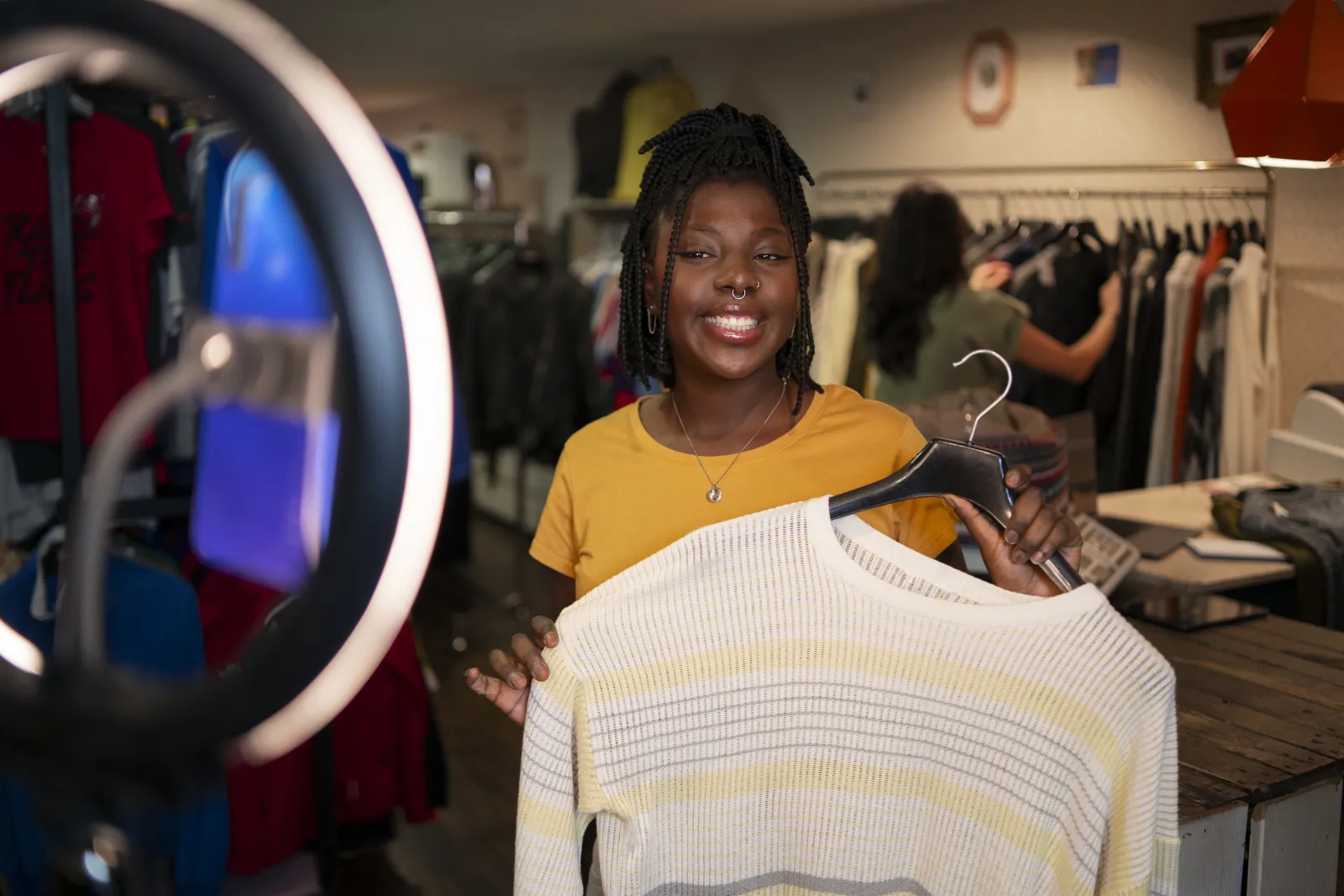
Why seasonal peaks change the game for businesses
In West Africa, the commercial calendar looks like no other market. Ramadan, Tabaski, back-to-school, Christmas and New Year concentrate a disproportionate share of many companies' annual revenue. A brand without a seasonal campaign plan leaves most of its sales potential on the table. Live shopping, because it creates urgency and real-time closeness, is one of the most powerful levers to capture these demand peaks — provided you prepare in advance.
Map out your campaign calendar
The first mistake companies make is treating every peak period the same way. Each peak has its own buying intent:
- Ramadan: food, fashion, home decor, beauty products — a concentrated purchase peak before and during the month, with a high point as Eid approaches.
- Tabaski: textiles, traditional clothing, kitchen utensils, gifts — a short and intense buying window in the two weeks before the holiday.
- Back-to-school: supplies, uniforms, electronics — stronger price sensitivity, more rational purchase decisions.
- Year-end holidays: gifts, home appliances, fashion — the longest peak of the year, with a marked acceleration in the last week of December.
For every SuguLive business customer, we recommend building an annual campaign calendar from the first quarter, with, for each peak: sales objectives, priority product catalog and key launch dates.
The 4 phases of a successful seasonal campaign
Phase 1: Teasing (D-21 to D-14)
Even before the first selling live, you need to build anticipation. Publish short discovery lives of the seasonal collection or catalog, without pushing sales. Goal: build a list of registrants who will be notified of the main live. Companies that tease properly multiply their launch live audience by 2 to 3.
Phase 2: Launch (D-13 to D-7)
This is the moment of the event live: full presentation of the seasonal collection, limited-time launch offers, and mobilization of several hosts if your team is structured in corporate multi-team mode. A successful launch creates the momentum that feeds the following days.
Phase 3: Ramp-up (D-6 to D-2)
Multiply targeted micro-lives by product category rather than one single massive generalist live. A live dedicated to men's outfits, another to women's outfits, another to accessories — each audience segment receives relevant content, which mechanically improves the conversion rate.
Phase 4: Final stretch (D-1 and D-Day)
This is the most profitable phase if executed well. Create genuine urgency — limited stock, last delivery slots before the holiday — and chain short, intense lives. Caution: logistics must be calibrated in advance, because this is also the phase where an out-of-stock or a delivery delay damages the customer relationship the most.
Logistics and stock: the crux of the matter
Failed seasonal campaigns are almost never due to a bad live — they fail because logistics crack under demand. Three operational recommendations for corporate teams:
- Over-stock hero references identified during the teasing phase, based on audience questions and reactions.
- Block dedicated delivery slots in the days before the holiday, when express delivery demand explodes.
- Sync the catalog in real time between your lives and your inventory — on SuguLive, an out-of-stock automatically removes the product from the ongoing live to avoid selling what you cannot deliver.
Mobilize multiple teams without losing consistency
For companies with multiple stores, points of sale or regional sales teams, a seasonal campaign is also an exercise in coordination. Define a common campaign kit in advance — visuals, product selling points, offers — that each team localizes during its lives. SuguLive's corporate analytics dashboards let headquarters track each team's performance in real time during the campaign peak, and reallocate stock or advertising budget to the best-performing teams.
Measure success beyond D-Day revenue
Immediate revenue is only part of the result. To truly evaluate a seasonal campaign, also track:
- The number of new customers acquired during the campaign (and their repurchase rate within the following 90 days).
- The average basket compared to non-campaign periods.
- The conversion rate per phase (teasing, launch, ramp-up, final stretch) to refine the calendar of the next campaign.
A well-measured seasonal campaign becomes a reusable asset: each edition refines the calendar, the priority catalog and the budget of the next one.
How SuguLive supports businesses during their seasonal peaks
SuguLive provides corporate accounts with dedicated support during major peaks: campaign calendar calibration, live templates per phase, and real-time analytics tracking to steer inventory and teams during the peak. The goal: turn every peak in the African calendar into a growth accelerator rather than an improvised last-minute sprint.
FAQ: Seasonal Live Shopping Campaigns in B2B
How far in advance should a seasonal campaign be prepared?
For a major peak like Ramadan, Tabaski or the year-end holidays, allow at least 3 weeks of preparation, including the teasing phase. The most structured companies start catalog and inventory planning 6 to 8 weeks ahead.
Should you run one big live or several small ones during a peak?
Both complement each other: an event launch live to create momentum, then several targeted micro-lives per product category during the ramp-up. This combination maximizes both reach and conversion rate.
How do you avoid stockouts during a live sales peak?
By syncing the catalog in real time with actual inventory and over-stocking the references identified as popular from the teasing phase. The SuguLive platform automatically removes an out-of-stock product from the ongoing live.